Bespoke Tailor Services
January 9, 2026
Bespoke Tailor Services Suited & Booted is your bespoke tailor for contemporary British style and precise fit, with luxury showrooms…
read more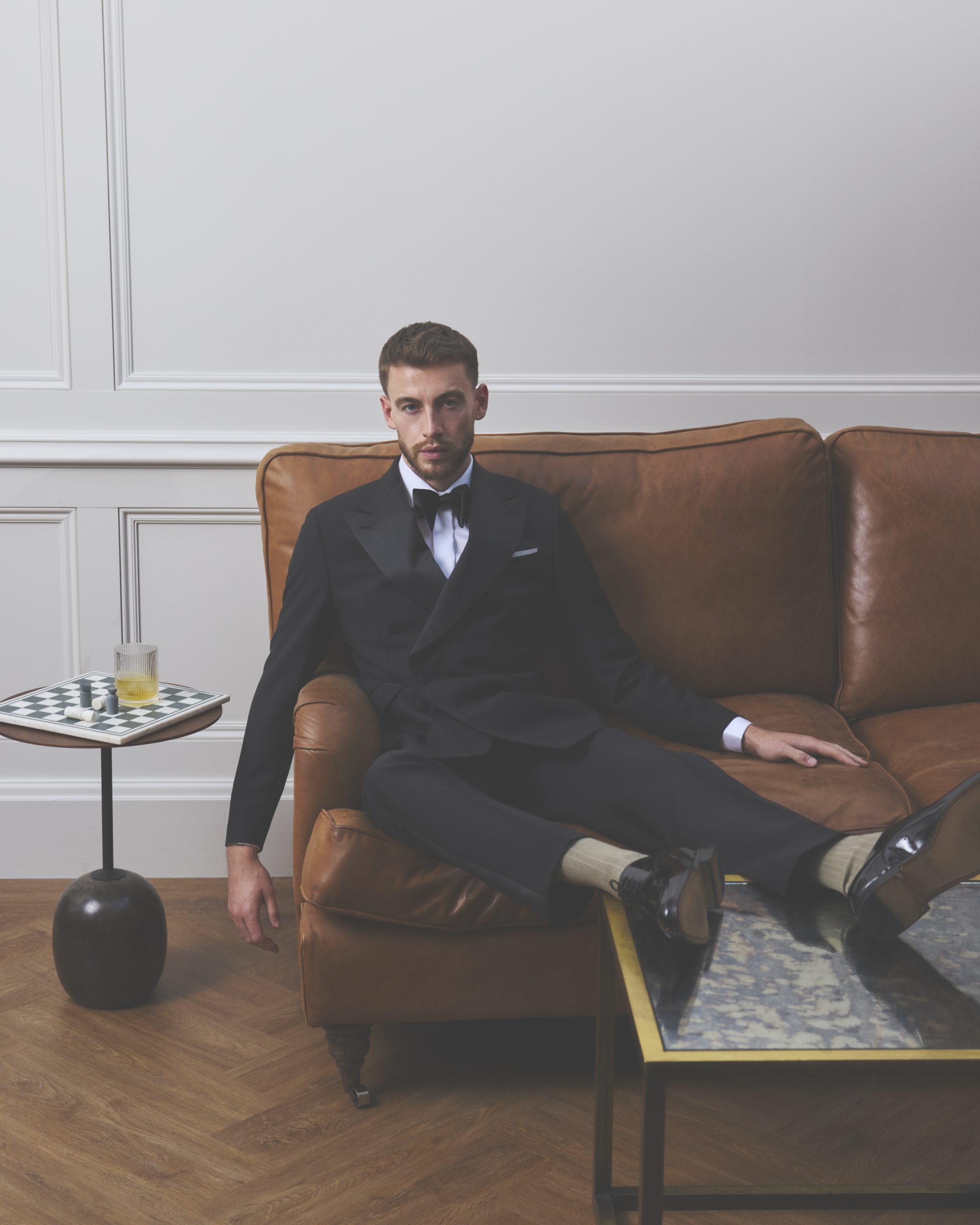
The best suits for men are not defined by price, label or trend alone. Two suits at the same price point can perform very differently depending on fit, cloth and construction, which is why those three factors deserve more attention than the name on the label.
A truly refined suit should fit well, move comfortably and serve the wearer across professional and personal occasions. Fabric, construction and proportion should work together to create a garment that feels as considered as it looks. This applies equally to formal business suits and to smart casual tailoring worn beyond the office.
The shoulder line, chest, waist and jacket length should create a balanced silhouette. Sleeve length, trouser rise and break should feel natural rather than forced. The suit should allow movement without appearing loose or losing its structure.
Worsted wool, lightweight wool, flannel, fresco, high-twist wool and linen blends each serve different seasons and settings. The best fabric is not necessarily the softest. It is the cloth that suits the wearer’s routine, climate and frequency of use.
Canvas, lining, seams and lapel structure affect how the suit sits and lasts, holding its shape through repeated wear rather than sagging after a few outings. Craftsmanship should produce balance and longevity rather than decoration for its own sake, so the details that matter most are often the ones that are hardest to see.
Tailored suits are shaped around the wearer rather than chosen entirely from standard sizing, so the shoulders, chest and trouser rise are built around the individual rather than adjusted after the fact. This makes a noticeable difference to how the finished suit moves and sits. Explore Suited & Booted’s full tailoring services to see the range on offer.
Bespoke tailoring considers measurements, posture, cloth and individual styling choices from the very first consultation. Every element, from the pattern to the finishing details, is built around one wearer rather than adapted from an existing block.
Explore men’s bespoke tailoring.
Made-to-measure adapts a base pattern to the client’s measurements and provides more choice of cloth, lapel and finish than ready-to-wear. It offers a meaningful step up in fit without the timeline or cost of a fully bespoke commission.
Read about bespoke and made-to-measure tailoring.
Ready-to-wear suits provide convenience and immediacy, which suits an occasional wearer or a tight deadline. Fit and personalisation are more limited, so a good tailor’s alterations service is often needed to get the best from the garment.
Navy, charcoal and mid-grey provide versatile foundations for a professional wardrobe, since each pairs easily with different shirts and ties without appearing repetitive. Worsted wool and mid-weight cloths work well for regular wear across meetings, presentations and travel, holding their shape through long days.
Wedding suits should reflect the season, venue and dress code rather than following a single template for every ceremony. A summer garden wedding calls for a different cloth and colour to a formal winter ceremony in a city venue.
Explore wedding tailoring.
Tuxedos, dinner jackets and dark tailored suits require sharp structure and restrained styling, with the emphasis on a clean silhouette rather than decorative detail. Satin lapels, precise trouser break and polished footwear all contribute to a finished evening look.
A well-cut dinner suit in a single dark colour, worn with minimal accessories, will almost always look more considered than one with excessive detail.
A refined two-piece suit or tailored separates can move between business, travel and social occasions without needing a full wardrobe change. Choosing a versatile mid-tone cloth makes it easier to dress the same suit up or down as the day requires.
Worsted wool and mid-weight wool balance structure, drape and durability, making them a dependable choice for most of the year. They also tend to travel well, recovering their shape after a day in a suit carrier.
Lightweight wool, tropical wool, fresco and linen blends offer greater breathability during warmer months, without sacrificing the structure expected of a business suit. Fresco and high-twist weaves in particular resist creasing on long, warm days.
Explore the guide to summer suit fabrics.
Flannel, heavier wool and textured cloths offer greater warmth and seasonal depth, and tend to suit richer colours than their summer counterparts. They also pair naturally with heavier overcoats and knitwear through the colder months.
Look for:
Avoid selecting a suit only by colour or brand, since neither guarantees a good fit. An overly tight fit, inappropriate fabric weight and excessive personalised details can all reduce the garment’s comfort and versatility, and a fit that looks sharp standing still can quickly become restrictive once worn through a full day.
A considered wardrobe may begin with:
Explore tuxedo tailoring.
Personal details should feel subtle and intentional rather than a display of decoration. Lapels, buttons, pockets, linings and monograms can make a suit personal without reducing its longevity, provided they are chosen with the same restraint as the rest of the garment.
Suited & Booted creates tailored garments for men in Glasgow, London and across the UK. Each suit is developed through personal consultation, expert cloth guidance and considered fitting. The result is a garment shaped around the client’s professional life, personal style and long-term wardrobe.
Book an appointment with Suited & Booted.
The best suits combine precise fit, quality cloth, strong construction and occasion-appropriate styling. No single suit works for every occasion, so the best wardrobe usually contains a small rotation built around these qualities.
Fit, proportion, fabric and construction determine the overall quality of a suit. Price and branding matter far less than how these elements work together on the individual wearer.
Tailored suits generally offer more control over fit and fabric than standard sizing. The difference is most noticeable in the shoulders and sleeve length, which are rarely correct on an off-the-peg garment.
The best tailored suits are designed around the wearer’s measurements, posture and intended use. This can range from a made-to-measure adjustment of an existing pattern through to a fully bespoke commission.
Navy is one of the most versatile choices, while charcoal and mid-grey are also strong foundations. These neutrals pair easily with most shirts and ties, making them a dependable starting point for a working wardrobe.
Wool is highly versatile. Different weights and finishes can be selected for each season. Worsted wool suits year-round wear, while flannel and heavier cloths come into their own during the colder months.
It can be a valuable choice for frequent suit wearers and clients seeking precise fit and long-term wardrobe value. The investment tends to pay off over years of wear rather than in the price of a single garment.
A small rotation of well-fitted business, seasonal and occasion suits provides a practical starting point. Three to five well-chosen suits will usually cover most professional and social occasions without unnecessary duplication.
The right suit depends on the dress code, venue, season and role of the wearer. A groom’s suit, for example, may call for a different cut and colour to that of a guest attending the same event.
It should sit cleanly through the shoulders, close without strain and allow comfortable movement while maintaining balanced proportions. If the jacket pulls across the back when buttoned or the sleeves ride up when the arms move, the fit needs adjusting.
January 9, 2026
Bespoke Tailor Services Suited & Booted is your bespoke tailor for contemporary British style and precise fit, with luxury showrooms…
read moreMay 10, 2026
A suit is only as good as the cloth it is cut from. Fibre quality, weave structure, weight, drape, breathability,…
read more