The Ultimate Guide to Made-to-Measure Suits
February 11, 2025
A perfectly tailored suit is more than just clothing; it’s a statement. At Suited Booted, we believe that every man…
read more5th October 2026
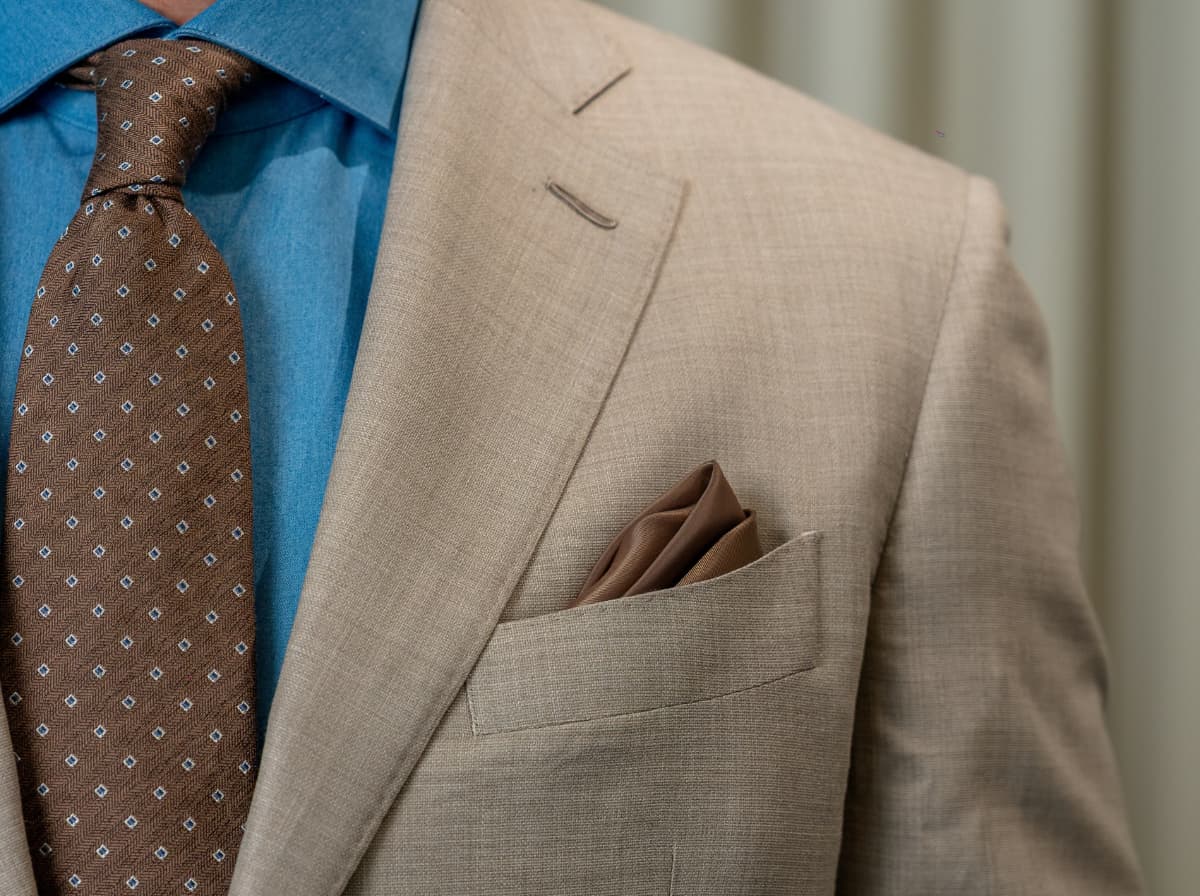
A strong suit colour combination looks considered without looking over-planned. The suit, shirt, tie and shoes should work together, but the result should still feel natural on the person wearing it. That balance becomes especially important when one wardrobe needs to cover business meetings, weddings, formal dinners and evening events.
Colour is only one part of the decision. Contrast, cloth, season, venue and the wearer’s natural colouring all affect how an outfit reads. A navy suit in smooth worsted wool can feel crisp and corporate; the same shade in a softer flannel with a textured tie can feel distinctly autumnal. The best combinations account for the whole outfit rather than treating each item in isolation.
At Suited & Booted, styling begins with the person and the way the wardrobe needs to work. A consultation can take existing shirts, ties, footwear and outerwear into account, so a new suit creates several useful combinations rather than a single fixed look.
The most useful starting point is not a colour chart. It is where the suit will be worn, how often it will be used and what already exists in the wardrobe. A colour that looks distinctive in isolation may prove difficult to style repeatedly, while a more restrained shade can become the foundation for dozens of combinations.
Business tailoring should usually feel versatile, authoritative and restrained. Navy, charcoal and mid-grey work particularly well because they move easily between meetings, presentations and professional dinners. Weddings allow more freedom, but the venue, season, time of day and role of the wearer should still guide the choice. Evening events generally suit deeper shades, while smart social occasions may accommodate more texture and individual colour.
Before commissioning a new suit, look at the shirts, ties, shoes and coats already being worn. A navy suit is valuable partly because it works with white, pale blue, pale pink and restrained striped shirts, as well as brown, oxblood and black footwear. Charcoal and mid-grey offer similar flexibility. Forest green, dark brown and burgundy can be excellent additions, but they usually work best once the core wardrobe is established.
Natural colouring is useful guidance, not a rule. Someone with strong contrast between hair, skin and eyes may carry a crisp white shirt with a dark suit particularly well. Softer colouring may be complemented by tonal combinations such as pale blue with navy or cream with brown. The key is to judge the complete outfit in natural light and choose combinations that make the wearer look composed rather than overwhelmed.
Autumn gives darker colours more depth. Navy, charcoal, deep grey, brown, forest green and restrained burgundy feel richer when expressed through flannel, textured wool, worsted cloth or softly brushed fabrics. Texture changes how colour is perceived: a charcoal flannel looks softer and more dimensional than a smooth charcoal business cloth, even though the shade may be similar.
The best suit colours are those that support the wearer’s lifestyle and regular occasions. For most men, a small number of versatile foundations will work harder than a wardrobe built around novelty shades.
Navy is one of the most versatile men’s suit colours. It can feel formal enough for important meetings, relaxed enough for many weddings and adaptable enough for evening events. White creates crisp contrast, pale blue softens the look, and pale pink adds warmth without becoming loud. Burgundy, forest green, navy, rust and restrained patterned ties all work well. Brown or oxblood shoes suit most settings, while black adds greater formality.
Charcoal has a more formal, restrained character than mid-grey. It works well for senior business settings, important meetings, evening occasions and cooler-season tailoring. White and pale blue shirts are dependable foundations, with navy, burgundy and dark green ties providing controlled contrast. Black or very dark brown shoes usually complete the look best.
Mid-grey is softer than charcoal and remarkably adaptable. It works across business, weddings and formal daytime events, while providing enough neutrality to support a wider range of shirts and accessories. White, pale blue and pale pink shirts all work well, as do navy, burgundy, deep green and brown ties.
Black is more formal and less versatile than navy or grey. It has a clear place for evening events, funerals and selected highly formal settings, but it is rarely the strongest default for everyday businesswear. For black tie, an ordinary black suit should not be treated as equivalent to a tuxedo. The dress code calls for dedicated eveningwear, which can be explored through Suited & Booted’s tuxedo tailoring.
Chocolate brown, tobacco, forest green, dark olive and restrained burgundy can add personality to an established wardrobe. These shades tend to look strongest when the rest of the outfit is quieter. A cream shirt with dark brown tailoring or a white shirt with forest green allows the suit colour to lead without competing accessories.
| Suit colour | Shirt | Tie | Shoes | Best occasion |
|---|---|---|---|---|
| Navy | White | Burgundy | Dark brown | Business or autumn wedding |
| Navy | Pale blue | Forest green | Brown | Professional events |
| Charcoal | White | Navy | Black | Formal businesswear |
| Mid-grey | Pale pink | Burgundy | Dark brown | Weddings or events |
| Black | White | Black | Black | Formal eveningwear |
| Brown | Cream | Dark green | Dark brown | Autumn social events |
| Forest green | White | Burgundy | Dark brown | Seasonal occasionwear |
Use the chart as a starting point rather than a formula. Fabric texture, venue and personal contrast can change how the same colours feel in practice.
A tie should connect the shirt and suit, not compete with them. Tonal dressing creates a calm professional effect, while controlled contrast adds character. The strongest choice depends on the setting and how much visual interest is already present in the cloth.
Burgundy is a classic partner for navy and works especially well through autumn. Forest green creates understated seasonal contrast, while a navy tie gives a clean tonal business look. Rust or burnt orange can add warmth when kept muted. Patterned ties work best when both suit and shirt are relatively quiet.
Navy is one of the safest ties with grey for business. Burgundy adds richness for autumn or evening events, and deep green gives a more individual but still controlled finish. Black or silver can work in formal settings. With textured grey tailoring, a wool or knitted tie in brown or burgundy can introduce seasonal depth without appearing decorative.
Black ties produce the most formal and restrained result. Deep burgundy or navy can add subtle contrast for selected evening occasions, while silver or grey can work where the event allows it. Novelty colours and highly casual patterns tend to undermine the clean formality of black tailoring.
Brown works particularly well with forest green, burgundy, navy and muted gold. Dark brown and olive tailoring benefit from lighter shirts to maintain separation around the face. If the suit already carries a visible texture or distinctive colour, the tie should usually be quieter.
The shirt sits closest to the face, so it has an outsized influence on the complete outfit. It also determines how much contrast exists between the wearer and the suit.
White is the most formal and versatile foundation. It works with navy, grey, black, brown and green suits and creates a clean base when the tie or suit provides the main colour. For important meetings and evening events, the clarity of a white shirt is difficult to improve upon.
Pale blue softens dark tailoring while retaining professional polish. It pairs particularly well with navy, charcoal, mid-grey and brown suits. Navy, burgundy, rust and dark green ties all work, depending on the setting.
A muted pale pink shirt can sit comfortably with navy, grey and brown tailoring. The shade should feel soft rather than bright. Navy, burgundy and deep green ties help retain structure and keep the look professional.
Fine stripes, restrained checks and subtle textures can add interest, but one element should remain visually dominant. A patterned shirt with a heavily patterned tie can make an otherwise refined suit feel busy. If the shirt has a visible pattern, a plain or lightly textured tie is usually the stronger choice.
The best suit colour for a wedding depends on the venue, season, time of day, dress code and role of the wearer. A groom can usually introduce more distinctive cloth or personal detailing than a guest, but both should remain appropriate to the setting.
Navy, charcoal, deep grey, dark brown and forest green are strong choices for cooler-season weddings. Richer wool textures, subtle checks and three-piece suits can add depth without relying on short-lived trends. Burgundy, rust, navy and deep green accessories work naturally with these colours. For more specific guidance, explore wedding suits for men.
Mid-grey, navy, softer brown and seasonal neutrals work well during the day. Lighter shirts keep the outfit fresh, while restrained accessories ensure the suit still reflects the formality of the venue. A country-house ceremony, registry office and city hotel may all call for a different level of structure even when the colour is similar.
Deep navy, charcoal and black can work well for formal evening weddings. If the invitation specifies black tie, the correct choice is a tuxedo rather than an ordinary black suit. A dedicated evening garment gives the right lapel treatment, shirt, trousers and accessories for the dress code.
Grooms can introduce distinctive texture, a more individual waistcoat, personalised lining or a less conventional colour when it suits the wedding. Guests should aim for polish without competing with the wedding party. Confirming the dress code and venue before choosing the final combination avoids most styling mistakes.
Autumn is an opportunity to introduce depth through cloth rather than simply choosing darker colour. Flannel, worsted wool, textured wool and softly brushed fabrics make navy, charcoal, brown and green feel richer. A lighter shirt prevents deeper combinations from becoming visually heavy, while textured ties can add seasonal character.
Darker colour does not automatically mean greater formality. A soft brown flannel suit can feel less formal than a smooth navy worsted suit, while a textured blazer may read more relaxed than either. Fabric choice therefore matters as much as shade. The guide to suit fabrics explains how wool, flannel, high-twist cloth and other materials perform across seasons and occasions.
The strongest combinations begin with the wearer, not a rulebook. Suited & Booted offers personal consultation, cloth selection, colour guidance and precise fitting for clients in Glasgow, London and across the UK. Existing shirts, ties, shoes and outerwear can all be considered so a new suit becomes part of a useful long-term wardrobe.
From business tailoring and wedding suits to formal eveningwear, men’s bespoke and custom-tailored suits can be shaped around the way you work, travel and dress. The aim is not to create one perfect combination, but a wardrobe that continues to work season after season.
The strongest suit colour combinations balance the wearer, the occasion and the season. Book an appointment with Suited & Booted to create a tailored suit, shirt and accessories designed to work together across your professional and formal wardrobe.
Navy, charcoal and mid-grey are among the best suit colours for men because they work across business, weddings and formal occasions. Brown and forest green can add seasonal variety once the core wardrobe is established.
Choose a suit colour based on the occasion, season, time of day, existing wardrobe and frequency of wear. Navy and grey provide particularly versatile foundations, while more distinctive shades are best chosen around specific wardrobe needs.
White, pale blue and pale pink shirts all complement navy. White creates stronger contrast, while pale blue offers a softer professional combination. Restrained stripes can also work when the tie remains simple.
Navy, burgundy, forest green, black and textured brown ties can all work with grey. The best option depends on the shirt, the shade of grey and the level of formality.
A tie should complement the suit rather than match it exactly. It can create tonal harmony or controlled contrast while connecting the suit and shirt.
Navy and mid-grey are versatile wedding choices. Lighter shades suit many daytime celebrations, while charcoal and deep navy work well for formal evening weddings. The venue, season and dress code should make the final decision.
Dark brown suits can work in professional settings where the dress code allows some flexibility. A restrained cloth, clean fit and understated shirt and tie help the colour remain business-appropriate.
A black shirt can work for selected evening occasions, but it is less versatile than white or pale blue and should be styled carefully. It is rarely the strongest choice for traditional businesswear.
February 11, 2025
A perfectly tailored suit is more than just clothing; it’s a statement. At Suited Booted, we believe that every man…
read moreMarch 3, 2026
Britain has one of the great tailoring traditions in the world, and yet the sheer range of options available, suit…
read more