Custom Clothing for the UK – Your Ultimate Guide to Personalized Fashion
September 24, 2025
Custom Clothing for the UK – Your Ultimate Guide to Personalized Fashion Custom clothing has always been a…
read more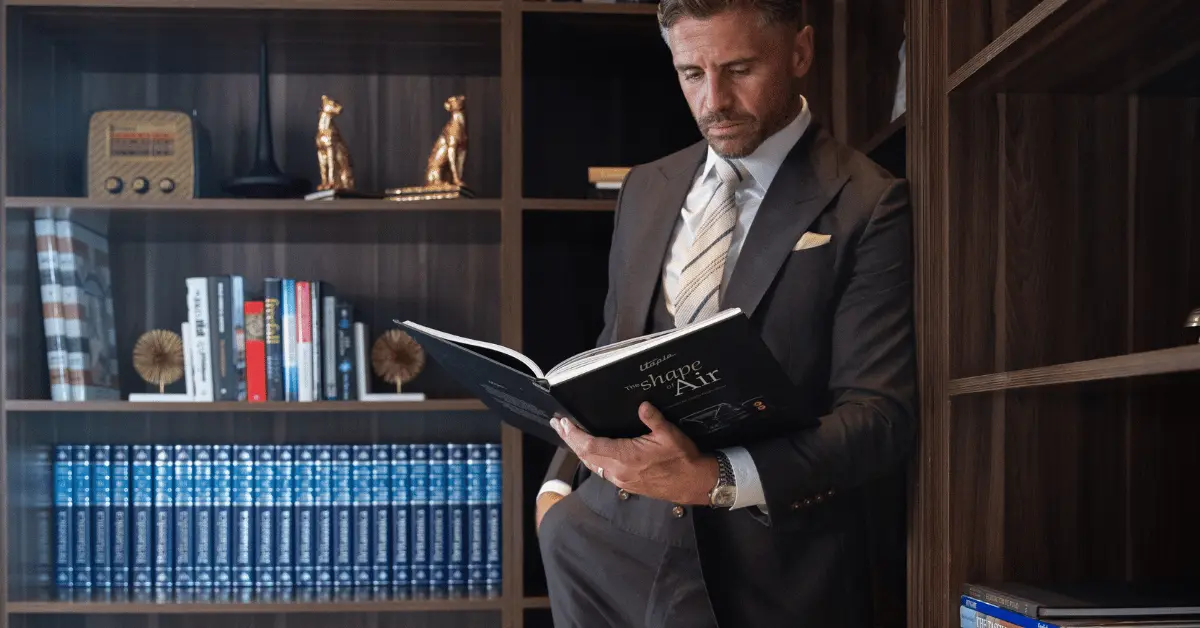
Formal dress code is one of those phrases that sounds clear until the invitation arrives. It suggests polish, but how much? It suggests structure, but does it require a suit, a tuxedo, a gown, a tailored dress, or something more flexible?
The answer depends on the setting. Formal dressing is not a single uniform. It is a standard. It asks for a higher level of presentation than smart casual or business casual, and it relies on tailoring, fabric, proportion to create authority.
For men and women, modern formal dressing should feel composed rather than stiff. The best formal outfits are not necessarily the most decorative or expensive. They are the ones that understand the occasion, fit precisely and create a clear, elegant silhouette.
In Glasgow and across the UK, formal dress codes often appear at corporate events, ceremonies, business dinners, weddings, evening functions and refined social occasions. The British climate adds another consideration: cloth weight, layering and outerwear matter almost as much as the clothes worn underneath.
This guide explains what formal dress code means for men and women, how it differs from smart formal, and how to dress with confidence for professional, social and evening settings.
Formal dress code is built around tailored structure, refined presentation and a higher level of occasion dressing. It is more polished than smart casual and more deliberate than standard businesswear.
The central principles are simple: sharper tailoring, better fabric, polished footwear and greater attention to detail. A formal outfit should look intentional from the first impression to the final detail. Jackets should sit correctly, trousers should fall cleanly, dresses should hold their shape, shoes should be appropriate, and accessories should support the outfit rather than distract from it.
Formalwear also carries a sense of respect for the setting. A corporate awards dinner, legal event, wedding, charity function, private reception or formal business occasion each asks the wearer to acknowledge the importance of the room.
Modern formal dressing should feel timeless and authoritative, but not old-fashioned. For men, this might mean a beautifully cut suit, a dress shirt and polished shoes, or a tuxedo where the occasion demands it. For women, it might mean an elegant dress, tailored suit, refined separates or eveningwear with a strong, composed silhouette.
The difference between looking dressed up and looking formal is discipline. Formal dressing leaves less room for carelessness. Fit, fabric and finish are doing the work.
Formal dress code for men usually begins with a tailored suit. Navy, charcoal, black and deeper seasonal tones are the most reliable choices, depending on the event and time of day. The suit should be worn with a dress shirt, polished shoes and, in many settings, a tie.
A formal business suit is not simply a work suit worn to a nicer event. The cloth, cut and styling need to carry more authority. A crisp shirt, controlled palette, well-chosen tie and polished leather shoes all matter. The jacket should sit properly through the shoulder, the sleeve length should be correct, and the trousers should break cleanly at the shoe.
For evening occasions, the level of formality may rise. A tuxedo or dinner suit becomes appropriate where the event is black tie or black tie-adjacent. This is a different category from a business suit. Satin or grosgrain lapels, a dress shirt, bow tie and formal shoes create a standard of eveningwear that a standard suit cannot quite replicate.
Luxury menswear is defined by proportion, fit and fabric rather than excess styling. A well-tailored suit in a quality cloth will always look stronger than a louder outfit that lacks discipline. The aim is confidence without noise.
Bespoke Men’s Tailoring Service
Formal dress code for women offers several strong options. Elegant dresses, tailored suits and polished separates can all be appropriate, depending on the setting.
For business events, corporate occasions and ceremonies, tailored suiting is often one of the most authoritative choices. A trouser suit or skirt suit in a refined cloth can feel professional, elegant and modern. The jacket should sit cleanly through the shoulder and waist, and the trouser or skirt should be cut to create a composed silhouette.
For evening functions, weddings and receptions, an elegant dress may be the natural choice. The formality will depend on the length, fabric, cut and styling. Silk, crepe, satin, fine wool and structured fabrics usually read more formal than lightweight casual materials.
Polished separates can also work when they are clearly elevated. A refined blouse with tailored trousers, a structured jacket with a formal skirt, or a silk top with evening-appropriate accessories can all meet the dress code when the finish is right.
The strongest formal womenswear looks modern rather than overdone. Premium fabrics, precise tailoring, refined footwear and understated accessories usually make a more lasting impression than heavy decoration. From boardroom to black tie, the principle is the same: the outfit should look deliberate, elegant and appropriate to the occasion.
Bespoke Women’s Tailoring Service
Formal and smart formal are closely related, but the distinction is important. Formal is the more structured, polished and dressier option. Smart formal allows a slightly softer interpretation while still maintaining elegance.
A formal dress code usually implies a full suit, dress shirt and tie for men, or an elegant dress, tailored suit or elevated formalwear for women. For evening occasions, it may move toward tuxedos, darker tones, finer fabrics and more refined accessories.
Smart formal sits just below that level. It still requires polish, but it allows more flexibility in silhouette and styling. A tailored suit worn with a crisp shirt but less traditional accessories, refined separates, soft tailoring or a structured dress might all fit a smart formal setting.
The difference often comes down to the expected standard of the room. A formal corporate ceremony, black-tie dinner or wedding reception will usually require more structure. A business dinner, client event, private lunch or refined daytime function may allow smart formal.
Smart formal for men offers a softer alternative to stricter formalwear while still requiring a sharp appearance. It can include a tailored suit, refined separates, a crisp shirt, lightweight layers and polished shoes.
A suit may still be the best option, but it does not always need the full formality of a traditional tie-and-shirt combination. Depending on the setting, a fine knit under a jacket, a beautifully cut shirt worn open at the collar, or tailored separates in complementary fabrics may work.
This dress code is particularly useful for business dinners, client events, receptions and premium social occasions in Glasgow where a polished look is expected but black tie would feel excessive.
The important point is that smart formal should not drift into business casual. The fabrics should be strong, the fit precise and the footwear polished. A relaxed element is allowed, but the final impression should still be elevated.
Smart formal dress code for women can include tailored dresses, elegant suiting, refined blouses, polished separates and sophisticated footwear. It is less rigid than full formalwear, but it should still feel composed.
A tailored dress with elegant shoes, a trouser suit in a refined cloth, or polished separates with a structured jacket can all work well. The outfit should feel professional and elegant rather than casual office wear.
Smart formal is ideal for corporate events, business dinners, receptions and refined daytime occasions where professionalism and style need to sit together. It allows more personality than strict formal dressing, but not so much that the outfit loses its authority.
The safest approach is to build the look around one strong tailored element. That might be a blazer, a structured dress, a tailored trouser, or a jacket with a clean line. Accessories should be refined, and footwear should clearly belong to a smarter setting.
Glasgow formalwear often requires thoughtful layering. A winter corporate dinner, a formal wedding, a ceremony or an evening reception may involve moving between cold streets, older buildings, hotel entrances and heated interiors. Cloth weight, outerwear and layering should be considered from the beginning.
Venue matters. A city hotel, private members’ setting, corporate event space, church, historic building or country house will each carry slightly different expectations. Time of day matters too. Daytime formal dressing often allows lighter colours and softer finishes, while evening formalwear usually leans darker, sharper and more polished.
Corporate events and award ceremonies often sit at the higher end of formal dressing. A darker suit, sharper tailoring and more controlled accessories will usually feel right. For women, this may be the moment for a stronger silhouette, a refined dress or elevated suiting.
Social and ceremonial occasions allow more interpretation. Weddings, receptions and formal daytime events may call for softer colours, elegant dresses, lighter cloths or more expressive accessories, provided the look remains polished.
Evening occasions often ask for the most elevated finish. Men may move toward darker suits or tuxedos depending on the dress code. Women may choose evening dresses, tailored formalwear or refined separates with more luxurious fabrics and accessories.
For men, wool suiting remains the foundation. Mid-weight wool works across much of the year in the UK, while flannel brings warmth and depth in colder months. For women, silk, crepe, fine wool, satin and structured blends can all create a formal impression depending on the garment.
Fit is non-negotiable. Formal dressing depends on precision. A jacket that pulls, trousers that pool heavily, sleeves that are too long, or a dress that does not sit correctly will weaken the whole look. Tailoring is not a finishing touch; it is the foundation.
Accessories should complete the outfit rather than compete with it. Men should pay attention to ties, pocket squares, cufflinks, watches and shoes. Women should consider shoes, bags, jewellery and outerwear as part of the whole look.
For men, common errors include poor tailoring, casual shoes, open collars where a tie is expected, overly relaxed fabrics or treating a business suit as eveningwear. A dark suit is useful, but it is not a tuxedo. The distinction matters.
For women, the mistakes often involve fabrics that are too casual, accessories that are too heavy-handed, dresses that feel more social than formal, or separates that look like standard office wear rather than occasion dressing.
Another mistake is ignoring season and venue. Lightweight fabrics can feel underdressed at winter evening events, while heavy cloths can feel uncomfortable or too severe for daytime occasions. Shoes also need to suit the setting. A formal look can be undermined quickly by footwear that belongs somewhere else.
The simplest test is whether the outfit looks composed from every angle. Formal dressing should not rely on one strong piece to carry everything else. The suit, dress, shoes, accessories and outerwear should all belong to the same level of formality.
A formal wardrobe should not be built around panic purchases. The best pieces are chosen with longevity, versatility and the wearer’s life in mind.
For men, that might mean a beautifully tailored suit, a dinner suit for black tie occasions, refined shirts, formal shoes and a coat that completes the look properly. For women, it might mean tailored suiting, elegant dresses, polished separates and formalwear that can move from boardroom to evening with the right styling.
Suited & Booted Glasgow brings a bespoke approach to formalwear, tuxedos and tailored womenswear. The value is in expert fitting, premium cloths and garments shaped around the individual rather than the hanger.
A formal wardrobe built well should offer confidence. It should make dressing for business events, ceremonies, dinners, weddings and evening occasions feel straightforward rather than uncertain.
To invest in formalwear shaped by craftsmanship, fit and lasting elegance, book a consultation with Suited & Booted Glasgow.
Formal attire for men typically includes a tailored suit, dress shirt, tie and polished shoes. For more elevated evening occasions, especially black tie events, it may require a tuxedo or dinner suit. The key is precise fit, refined fabric and a composed overall finish.
Formal attire for women typically includes an elegant dress, tailored suit or polished separates, paired with refined footwear and understated accessories. The right choice depends on the occasion, but the outfit should feel sophisticated, structured and appropriate for business events, ceremonies or evening occasions.
Formal is usually more structured, traditional and dressy. Smart formal allows a slightly softer or more contemporary interpretation without losing polish. The difference usually comes down to the venue, occasion, tailoring, fabric and level of finish expected.
Yes. Women can wear trousers for a formal dress code when they are tailored and styled as part of a sophisticated suit or elevated separates. Wide-leg trousers, fine wool suiting, silk blouses and structured jackets can all look highly formal when the fit and fabric are right.
Yes. A tuxedo is one of the clearest examples of formal dress code for men, especially for evening events, weddings, black tie dinners and elevated social occasions. It is more formal than a standard business suit and should be styled with the correct eveningwear details.
Yes, formal dress code can be appropriate for high-level professional settings, ceremonies, corporate events and client-facing occasions where authority and polish are expected. It is more elevated than everyday office wear and should look deliberate rather than routine.
Yes. Formal dress code is highly suitable for evening wear in Glasgow, especially for black tie events, formal dinners, weddings, award ceremonies and upscale social occasions. Darker tones, sharper tailoring, refined fabrics and considered outerwear usually work particularly well for evening settings.
September 24, 2025
Custom Clothing for the UK – Your Ultimate Guide to Personalized Fashion Custom clothing has always been a…
read moreSeptember 24, 2025
Glasgow Suit Shops: Your Straight-Talking Guide to the Best Tailoring and Ready-to-Wear Last updated: July 2025 ☰…
read more